Understanding the Growing Threat of Day-Zero Droughts
A new study has revealed that parts of the world are at risk of experiencing “day-zero droughts” — extreme and unprecedented water shortages — as early as this decade. These events, where people might turn on their taps and find no water, are becoming increasingly likely due to a combination of climate change, overuse, and rising demand for water resources.
The research, published in Nature Communications, highlights how climate change is disrupting the global water cycle, leading to more frequent and severe droughts. Scientists used multiple climate models to predict when and where these extreme droughts might occur, uncovering some surprising findings.
Key Findings from the Study
One of the most alarming conclusions is that nearly three-quarters of drought-prone regions could face severe and persistent droughts by the end of the century if fossil fuel use continues unchecked. More than a third of these areas, including the western United States, could see day-zero droughts as early as the 2020s or 2030s.
Christian Franzke, a climate scientist involved in the study, noted that even though some cities have already come close to experiencing a day-zero situation, the speed at which these events could occur is concerning. For example, Cape Town, South Africa, narrowly avoided a crisis in 2017 and 2018 after implementing strict water conservation measures and benefiting from above-average rainfall in 2018.
The Impact of Water Scarcity
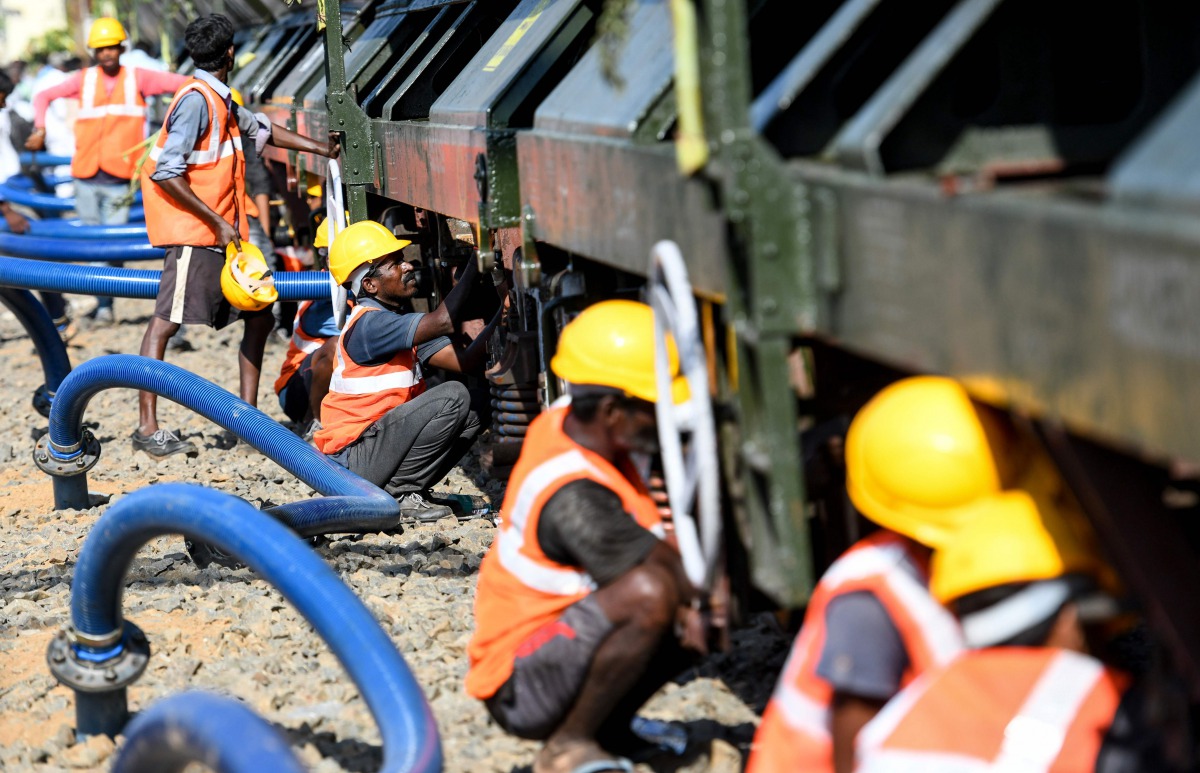
Water scarcity affects not only urban areas but also rural communities, agriculture, and ecosystems. In 2019, Chennai, India, came dangerously close to running out of water due to failed monsoon rains and plummeting reservoir levels. Residents had to line up for hours to receive water trucked into their neighborhoods.
Cities like Tehran, Kabul, Mexico City, and Los Angeles are currently working to avoid reaching day-zero. However, as populations grow and climate change intensifies, the pressure on water resources will continue to increase. Low-income communities are particularly vulnerable, as they often lack the infrastructure and resources to cope with prolonged droughts.
Global Hotspots for Day-Zero Droughts

The study identifies several regions that are especially at risk. The Mediterranean, southern Africa, Asia, and Australia are projected to experience more prolonged and frequent day-zero droughts. This means less time between each event, making it harder for communities to recover.
In some areas, the situation may become so dire that it raises questions about whether people can continue to live there long-term. For instance, agricultural productivity could decline significantly, leading to food shortages and economic instability.
The Need for Action
The findings underscore the urgent need to transition to clean energy and improve water management practices. Leaky pipes and inefficient water use waste significant amounts of water, exacerbating the problem. Additionally, industries such as semiconductor manufacturing and data centers, which require large amounts of water, are expanding in water-stressed regions like Texas and Arizona.
Franzke emphasized that while the study does not include groundwater resources in its calculations, it still provides valuable insights. Groundwater depletion is a critical issue, and the researchers have taken steps to account for this in their analysis.
Expert Perspectives
Richard Allan, a professor of climate science at the University of Reading, praised the study as “important new evidence” about how droughts will emerge as climate warming combines with increasing water demands. He noted that while the research is a guide rather than a perfect prediction, it paints a clear picture of the growing threat to water resources.
Conclusion
As the threat of day-zero droughts becomes more imminent, it is crucial for governments, industries, and communities to take proactive steps to address water scarcity. This includes investing in sustainable water management, transitioning to renewable energy, and supporting vulnerable populations. The future of water availability depends on our ability to act now.