The Unlikely Alliance: US and Argentina’s Economic Rescue
The United States has taken an unexpected step in supporting Argentina’s struggling economy, offering a $20 billion financial lifeline to stabilize the South American nation. This move, while seemingly out of character for the Trump administration, highlights a deeper ideological alignment between two leaders with shared political views.
A Geopolitical Move
Argentina’s President Javier Milei has been at the center of this development. Known for his hardline libertarian policies, Milei has implemented drastic economic reforms that have led to both some success and significant challenges. His approach, often described as “shock therapy,” has reduced monthly inflation but has also caused widespread job losses and economic instability.
Despite these challenges, Milei has found a powerful ally in former U.S. President Donald Trump. During a recent meeting at the United Nations, Trump publicly endorsed Milei, stating, “To the people of Argentina, we’re backing him 100%.” This endorsement underscores a growing trend of support for far-right leaders across the globe.
Economic Context
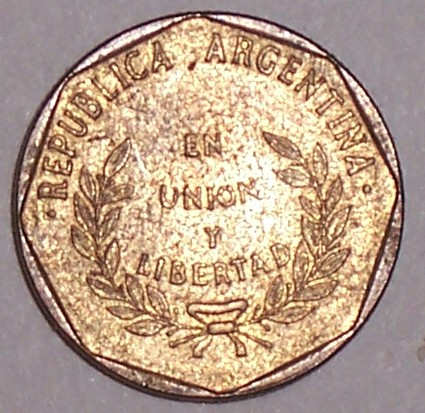
Argentina’s economy has long been plagued by crises, with a history of hyperinflation and currency devaluation. The recent local elections, where Milei’s party suffered a major setback, have further shaken investor confidence. In response, the Argentine central bank spent over $1 billion of its foreign currency reserves to prevent the peso from collapsing.
This financial panic has prompted the U.S. Treasury Secretary Scott Bessent to announce a $20 billion swap line, allowing Argentina to exchange dollars for pesos. This move is intended to provide temporary relief and buy time for Milei ahead of the October midterms.
Ideological Motivations

The U.S. support for Milei is not purely economic. Analysts suggest that it aligns with a broader strategy of backing like-minded leaders around the world. This includes figures such as Hungary’s Viktor Orbán and Brazil’s Jair Bolsonaro, who share similar political ideologies.
Nate Schenkkan, an international relations expert, notes that this kind of support makes sense within an ideological framework. “The administration is supporting Milei for the same reason they’re supporting Orbán or Bolsonaro,” he says. “They want to see these people come into power.”
Political Risks
While the $20 billion swap line may provide short-term stability, it remains uncertain whether it will be enough to quell voter anger. If Milei fails to secure more support in the upcoming elections, the U.S. could find itself in a difficult position.
Emerging markets trader Mark Dow has expressed concerns about the potential fallout. “The biggest takeaway from all of this is the U.S. is now on the hook,” he tweeted. “If the confidence shock doesn’t work, the U.S. kind of owns this and would have a hard time saying no to Argentina for a bigger bailout further down the road.”
Challenges Ahead
Milei’s administration is also facing internal challenges, including corruption scandals involving his sister and allegations of a crypto scam. These issues have further eroded investor confidence and complicated the situation.
Despite these hurdles, the U.S. continues to view its support for Milei as a strategic move. By helping Argentina stabilize its economy, the U.S. hopes to reinforce its influence in South America and support a leader who aligns with its political values.
Conclusion
The U.S. decision to back Argentina’s economy reflects a complex interplay of economic, political, and ideological factors. While the immediate goal is to stabilize the region, the long-term implications remain unclear. As the situation unfolds, the U.S. will need to navigate the delicate balance between supporting a foreign leader and managing the risks associated with such interventions.