Emergency Response in Namibia: Army Deployed to Combat Wildfires in Etosha National Park
A major environmental crisis has unfolded in Namibia, where wildfires have ravaged a significant portion of the Etosha National Park. The situation has escalated to the point where the government has deployed hundreds of soldiers to assist in containing the blazes. This unprecedented move highlights the severity of the fires and the urgency of the response.
The Scale of the Disaster
The wildfires began on September 22 in the southwestern part of the Etosha National Park (ENP), according to a statement from the Ministry of Environment, Forestry and Tourism. By the time the fires were reported, an estimated 775,163 hectares (1.9 million acres) of the park had been burned, representing 34% of its total area. Additionally, 171,098 hectares (423,000 acres) of land outside the park were also affected.
The ecological damage inside ENP is extensive, with the ministry attributing the fires to suspected charcoal production activities on bordering commercial farms. The impact on the local ecosystem is profound, as the park is home to a diverse range of wildlife and plant species.
Government Actions and Military Involvement
In response to the crisis, the office of acting President Lucia Witbooi announced the deployment of 540 soldiers to help fight the fires, along with helicopters. This marks a significant shift in the approach to managing such disasters, as military resources are typically reserved for more conventional security threats.
The statement from the president’s office emphasized the threat posed by the fires to biodiversity, wildlife, and the livelihoods of local communities. While no human casualties have been reported, the loss of animal life remains a concern. Strong winds and dry vegetation have contributed to the rapid spread of the fire, complicating efforts to contain it.
Historical Context and Fire Management

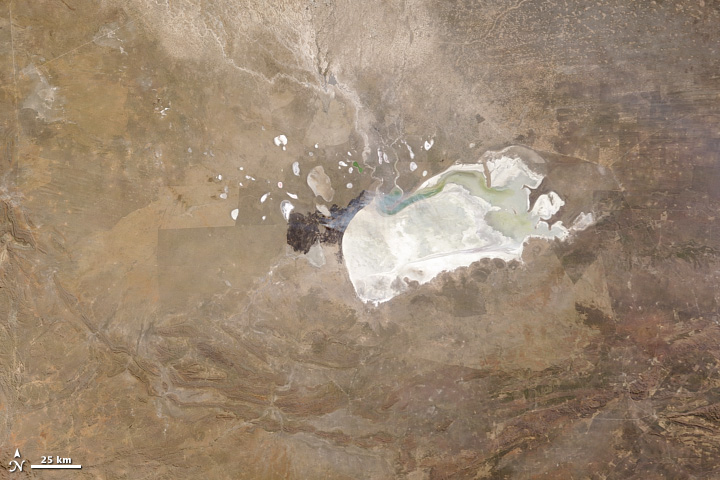
Etosha National Park is a major tourist attraction, drawing around 200,000 visitors annually. It is home to 114 species of mammals, including elephants, lions, giraffes, and critically endangered black rhinos, as well as 340 bird species. The park also features a salt pan that covers 4,730 square kilometers (1,826 square miles), making it visible from space.
Historically, wildfires in the park were triggered by lightning strikes and occurred approximately once a decade. However, aggressive firefighting efforts led to a shift in management practices. Scientific evidence has since shown that occasional burning is essential for maintaining a healthy ecosystem. This has led to the implementation of preventative burning strategies to mitigate the risk of devastating wildfires.
Ongoing Efforts and Future Implications
Despite the deployment of military resources, the fires continue to burn both inside and outside the park. However, authorities have stated that all fires have now been contained. Prime Minister Elijah Ngurare Manongo expressed confidence in the ability of teams on the ground to overcome the challenge, emphasizing the importance of teamwork.
The incident underscores the need for continued investment in fire management strategies and community engagement. As climate change exacerbates the risk of wildfires globally, the lessons learned from this crisis will be crucial in shaping future policies and responses.
The situation in Etosha National Park serves as a stark reminder of the delicate balance between human activity and natural ecosystems. It also highlights the critical role that proactive measures and collaboration play in safeguarding these vital environments for future generations.