The Unprecedented Devastation of the Los Angeles Wildfires
The recent wildfires in Southern California have left a trail of destruction that has shocked even the most experienced emergency responders. With over 55 square miles scorched and thousands of structures destroyed, the scale of the disaster has raised urgent questions about how such devastation could have been minimized. Experts and officials alike are now grappling with the reality that this level of damage may be an inevitable outcome of climate-related calamities. However, there is also a growing consensus that human actions and systemic shortcomings played a significant role in exacerbating the situation.
Water Systems Struggled to Meet the Demand
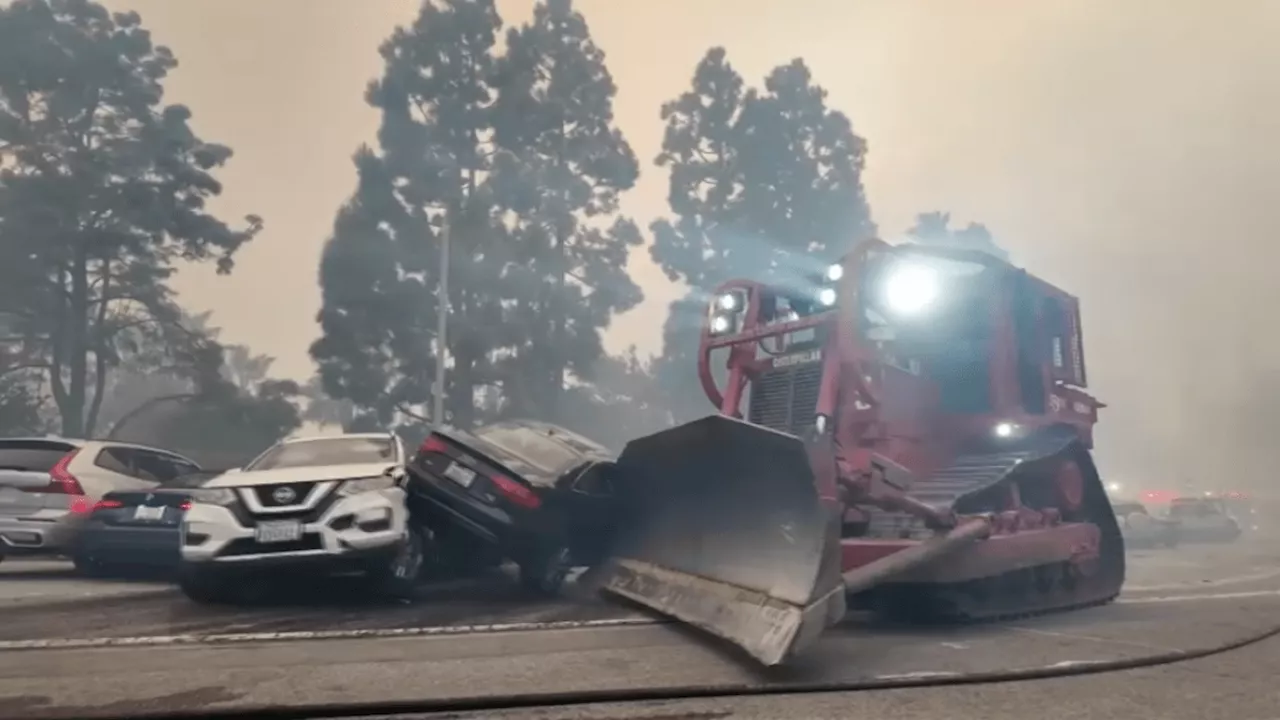
One of the most critical issues highlighted during the fires was the inability of the local water systems to support firefighting efforts. As high winds raged through the region, firefighters found themselves facing dry hydrants, which severely limited their ability to combat the flames. In areas like the Pacific Palisades, where the municipal water system is at its farthest point, the demand for water skyrocketed, causing pressure to drop dramatically.
“Got dry hydrants,” one firefighter reported on radio broadcasts, underscoring the dire situation. The problem was not just a lack of water but the fact that the existing infrastructure was not designed to handle such extreme conditions. “This is an unprecedented event,” said Janisse Quiñones, CEO of the Los Angeles Department of Water and Power. The city’s water system, while robust under normal circumstances, was overwhelmed by the sheer volume of water required to fight the blazes.
A System Under Pressure
In the Pacific Palisades, three storage tanks each holding roughly one million gallons of water were used to support fire hydrants. However, these tanks ran dry due to the unprecedented demand placed on them. According to Quiñones, 20% of the hydrants used to fight the Palisades fire ran dry on Wednesday. This shortage of water made it impossible for firefighters to effectively contain the spread of the flames, leading to widespread destruction.
The Role of Climate Change

Climate change has undeniably played a significant role in the intensity and frequency of wildfires in California. Experts warn that the combination of unseasonably dry conditions and hurricane-force winds created a perfect storm that made the fires nearly impossible to control. “I don’t know a water system in the world that is that prepared for this type of event,” said Greg Pierce, a water-resource expert at UCLA.
Despite the challenges posed by climate change, there are steps that can be taken to mitigate the impact of future disasters. Inconsistent vegetation management, aging infrastructure, and a lack of planning have all contributed to the vulnerability of communities in the region. These factors, combined with the increasing frequency of extreme weather events, have created a dangerous environment for residents.
Political and Financial Challenges
The political and financial landscape in Los Angeles has also played a role in the current crisis. Fire officials have long warned about the need for increased funding and resources to address the growing risks posed by climate change. However, budget cuts and a lack of political will have hindered efforts to prepare for large-scale emergencies.
Los Angeles City Fire Chief Kristin Crowley has repeatedly emphasized the need for additional resources, stating that the elimination of “critical” civilian support positions and $7 million in cuts to overtime hours had “severely limited the Department’s capacity to prepare for, train for, and respond to large-scale emergencies.” Despite these challenges, the city has allocated an additional $53 million for the fire budget from the previous year, a move that has been met with mixed reactions.
Community Preparedness and Resilience
While the focus has largely been on the failures of the system, experts also emphasize the importance of community preparedness. Residents must take proactive steps to protect their homes and neighborhoods from the threat of wildfires. This includes clearing brush, improving evacuation route signage, and enhancing warning systems.
The Pacific Palisades community council had recently initiated a six-month process to qualify homeowner associations for grants aimed at improving fire safety. However, the timing of the fires proved to be too soon for these initiatives to have a meaningful impact. “The fire came too soon,” said David Barrett, who heads up MySafe:LA, the grant-supported public safety nonprofit that runs the program.
Despite the challenges, Barrett remains optimistic about the potential for communities to become more resilient. “If you look at the aerial infrared photography of the Palisades, there’s a lot of vegetation that did not burn,” he noted. This suggests that with proper preparation, some areas may be able to withstand future fires.
Building Codes and Home Safety
California’s building codes are considered a national model for protecting homes against wildfire threats. However, the vast majority of homes threatened by the recent fires were built before these standards were enacted. According to a CNN analysis of state data, only a small fraction of the structures in the affected areas were built after the updated codes were approved.
The codes require ignition-resistant roofs, fire-resistant siding, and exterior windows and doors that can resist fire for at least 20 minutes. While these measures have proven effective in reducing the risk of home destruction, they apply only to new structures built after the codes were implemented. Older homes remain vulnerable, highlighting the need for retrofitting and modernization efforts.
Rebuilding with Resilience in Mind
As the flames continue to burn across the Los Angeles area, residents and local leaders are beginning to think about how to rebuild their devastated neighborhoods. Experts emphasize that the reconstruction process should be shaped by efforts to minimize the risk of future fires. This includes changing neighborhood designs, enacting policies that require residents to clear brush and debris, and investing in more resilient infrastructure.
Some of the most effective interventions, however, would be costly or disruptive. For example, burying power lines in fire-prone areas could significantly reduce the risk of igniting wildfires, but the process can cost millions of dollars per mile. Similarly, upgrading water lines to handle increased demand in the event of a drastic fire would require substantial investment.
A Call for Systemic Change
The fires have exposed deep-seated issues within the systems that govern emergency response, infrastructure, and community preparedness. While the immediate focus is on recovery and rebuilding, the long-term solution requires systemic change. This includes increased funding for firefighting efforts, improved infrastructure, and stronger policies to mitigate the risks posed by climate change.
As the dust settles and the true extent of the damage becomes clear, one thing is certain: the lessons learned from this disaster must inform future efforts to create a more resilient and prepared society. Only through collective action and a commitment to change can communities in Los Angeles and beyond hope to avoid such devastating outcomes in the future.