


The Global Impact of U.S. Funding Cuts on HIV/AIDS Programs
The United States has recently suspended key funding for its global HIV/AIDS relief initiatives, sparking widespread concern among international organizations and lawmakers. This decision has created uncertainty about the extent of the impact, with reports indicating that patients and healthcare systems in various regions are already feeling the effects.
Key Details About the Funding Suspension
The suspension of funds primarily affects the President’s Emergency Plan for AIDS Relief (PEPFAR), a program established in 2003 under the Bush administration. PEPFAR has been instrumental in saving over 26 million lives and preventing millions of new HIV infections globally. However, recent actions by the Trump administration have led to significant disruptions in the program’s operations.
The U.S. State Department has taken over some aspects of PEPFAR, but this transition has not been smooth. Nonprofits and healthcare providers are reporting that many planned initiatives have stalled, leading to critical shortages in medical supplies and services. The lack of clarity around the full extent of the cuts is causing alarm among those who rely on these programs for their health and well-being.
Disruptions in Healthcare Services
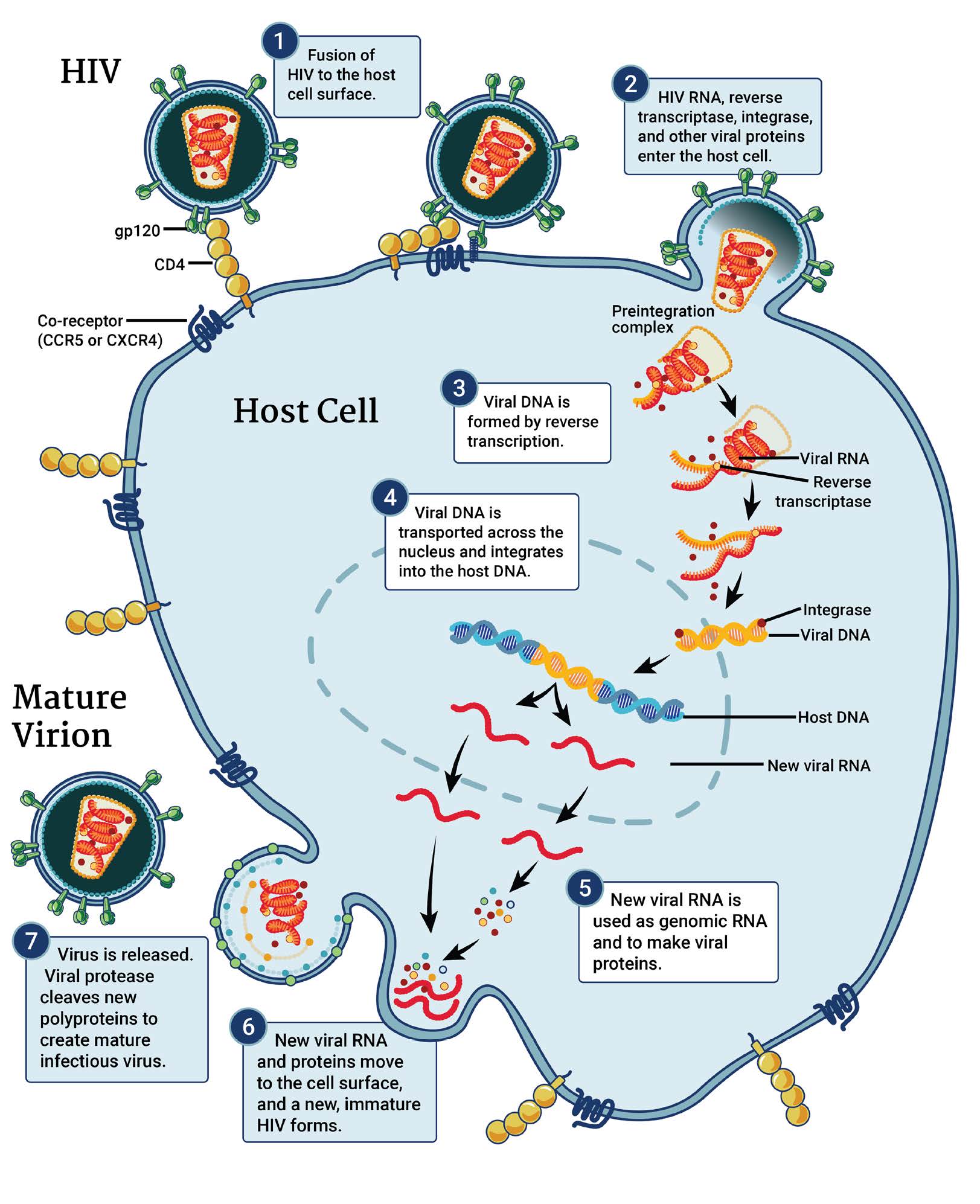
In countries like Uganda, the Philippines, and Tanzania, the impact of the funding cuts is evident. UNAIDS has reported instances of medicine stockouts, staffing cuts at clinics, and the suspension of community outreach services. These disruptions are contributing to rising levels of stigma, discrimination, and mortality rates among people living with HIV.
Healthcare professionals in affected regions are witnessing patients skipping or rationing doses of antiretroviral medications, which increases the risk of drug-resistant HIV strains. This situation is particularly alarming as it threatens to reverse the progress made in the fight against the disease.
The Role of USAID and Its Dismantling

USAID was a crucial player in implementing PEPFAR programs, but the Trump administration’s decision to dismantle the agency has had far-reaching consequences. While the State Department issued a waiver to exempt life-saving services from the freeze, the transition has left many programs in limbo.
Nonprofits such as World Vision have reported the termination of large PEPFAR programs in Kenya, including those focused on orphans and vulnerable children. This has raised concerns about the prioritization of resources and the potential long-term effects on communities that depend on these services.
Challenges in Monitoring and Reporting
One of the major challenges in assessing the impact of the funding cuts is the lack of transparency and data availability. PEPFAR reporting data has been publicly unavailable for months, making it difficult to track the program’s ongoing activities. A message on the government website indicates that updates are underway, but the release dates for 2025 PEPFAR data reports remain listed as “TBD.”
This lack of information has left Congress and taxpayers without a clear picture of what the foreign assistance system is trying to accomplish. Experts like Charles Kenny from the Center for Global Development emphasize the need for greater visibility into how these funds are being used and whether they are achieving their intended goals.
Congressional Response and Ongoing Battles
Congress is actively engaged in a battle with the White House over the allocation of PEPFAR funds. The Office of Management and Budget (OMB) has released only about half of the $6 billion appropriated for PEPFAR’s 2025 funding, raising concerns about the administration’s commitment to the program.
A congressional aide noted that the budget document listed billions of dollars of this year’s funds as part of fiscal year 2026, which is atypical. This move has been interpreted as an attempt to slow down the funding process, further complicating the already uncertain landscape for HIV/AIDS relief efforts.
Legal and Political Implications
The Trump administration’s attempts to claw back $400 million for PEPFAR faced bipartisan opposition in the Senate, leading to the cancellation of the proposal. However, the issue remains unresolved, with lawmakers from both parties expressing concerns about the legality of the administration’s actions.
Senator Patty Murray, a Democrat from Washington, has criticized OMB Director Russell Vought for obstructing funding despite promises to protect the program. She emphasized the importance of using the full funding Congress provided to support the essential work of PEPFAR.
Broader Implications for Foreign Aid
The funding cuts are part of a larger debate over foreign aid and the administration’s approach to global health initiatives. Last week, Trump notified Congress of his intention to cancel $4.9 billion in foreign aid already approved for this year, drawing criticism from lawmakers who questioned the legality of the move.
The U.S. Government Accountability Office has stated that rescissions so late in the fiscal year are illegal, highlighting the need for transparency and accountability in the use of public funds. Despite these concerns, the administration continues to push forward with its plans, seeking support from the courts and Capitol Hill.
Conclusion
The suspension of U.S. funding for HIV/AIDS relief programs has far-reaching implications for global health. As the situation unfolds, it is crucial for stakeholders to remain vigilant and advocate for the continued support of these vital initiatives. The challenges faced by healthcare providers and patients in affected regions underscore the importance of maintaining robust funding and transparent reporting mechanisms to ensure that lifesaving programs can continue to make a difference.


