


Understanding the Impact of Spaceflight on Human Stem Cells
Recent research has uncovered a fascinating and concerning phenomenon: spaceflight can activate what scientists call the “dark genome” in human stem cells. This discovery, led by Dr. Catriona Jamieson, director of the Sanford Stem Cell Institute at the University of California, San Diego School of Medicine, has significant implications for both space exploration and medical science.
The study, which was conducted during four International Space Station (ISS) resupply missions operated by SpaceX from late 2021 to early 2023, focused on how microgravity and cosmic radiation affect stem cells. These cells are crucial for maintaining and repairing tissues throughout the body, including blood, brain, and bone cells. The findings suggest that prolonged exposure to the conditions of space can lead to accelerated aging and functional decline in these vital cells.
The Role of Stem Cells in the Human Body

Stem cells are unique in their ability to self-renew and differentiate into various cell types. They play a critical role in the body’s maintenance and repair processes. However, when exposed to the harsh conditions of space, these cells may not function as they should. According to Dr. Jamieson, stem cells in space showed a reduced ability to renew themselves, which could have serious consequences for astronauts on long-term missions.
The researchers used a cellphone-sized bioreactor equipped with AI monitoring tools to study the effects of spaceflight on stem cells. The bioreactors were designed to house stem cells on a sterile sponge matrix, allowing for real-time monitoring of their state. This innovative approach provided valuable insights into how microgravity and radiation impact stem cell behavior.
The Activation of the “Dark Genome”
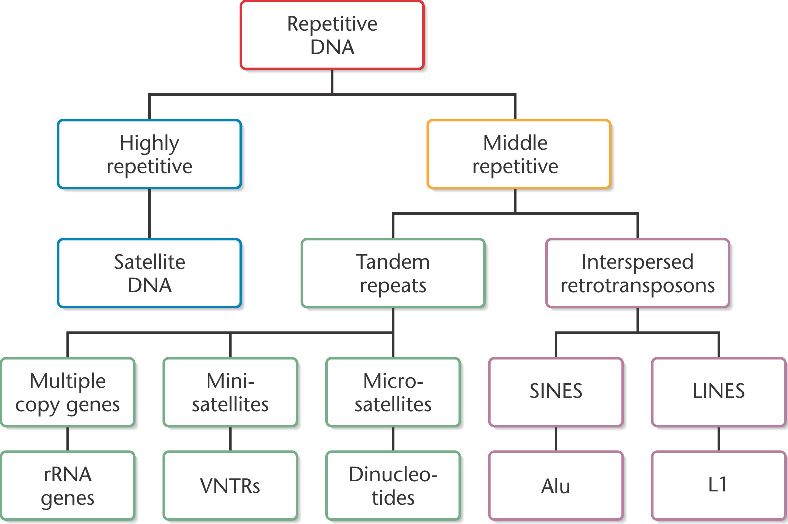
One of the most intriguing aspects of the study is the activation of what is known as the “dark genome.” This term refers to repetitive elements within the DNA that are typically inactive but can be activated under stress conditions. These elements, which make up about 55% of the human genome, are remnants of ancient retroviruses that have been incorporated into our DNA over millions of years.
Dr. Jamieson explained that under the stress of spaceflight, these elements become active, leading to a cascade of events that can cause stem cells to age prematurely. “If our stem cells become exhausted under conditions of stress like microgravity, then they won’t function to make a proper immune system,” she said. This finding is particularly concerning because it suggests that the immune systems of astronauts could be compromised during long-duration space missions.
Implications for Space Exploration and Medical Research
The implications of this research extend beyond space exploration. The findings could have significant applications in understanding and treating diseases such as leukemia, where similar stem cell stress is observed. Dr. Jamieson noted that the study could help develop new therapies to counteract the effects of the “dark genome” activity, potentially benefiting cancer patients on Earth.
Additionally, the research highlights the importance of developing countermeasures to protect astronauts’ health during extended space missions. Future studies will focus on using bioreactors as avatars for stem cell health to predict who might fare well or poorly in space. This could lead to the development of medications to mitigate the effects of spaceflight on stem cells.
Recovery and Future Research
Preliminary results from a separate study suggest that stem cells can recover from the accelerated aging once an astronaut returns to Earth, although the recovery process takes about a year. This offers some hope for future space missions, as it indicates that the negative effects of spaceflight on stem cells may not be permanent.
The study also underscores the need for further research into the long-term effects of spaceflight on human health. Scientists are working on solutions to address the mental and emotional challenges faced by astronauts during deep space travel. By understanding the biological impacts of spaceflight, researchers can develop strategies to support the health and well-being of those who venture beyond Earth.
Broader Applications in Biomedical Science
Beyond space exploration, the findings have potential applications in biomedical science. The study provides strong evidence of the damage that radiation exposure and microgravity can have on stem cells, highlighting the possible health risks associated with long-range space expeditions. This knowledge could lead to the development of new therapies to slow or reverse the aging process, benefiting both astronauts and patients on Earth.
Experts like Arun Sharma, a stem cell biologist at Cedars-Sinai Medical Center, and Luis Villa-Diaz, an assistant professor at Oakland University, agree that the findings may help scientists understand the aging process and develop new therapies. They emphasize the importance of addressing the negative effects of low Earth orbit on stem cell aging and function, which could translate into biomedical advances for patients on Earth.
Conclusion
The study on the effects of spaceflight on human stem cells represents a significant step forward in understanding the biological challenges of space exploration. By uncovering the mechanisms behind the activation of the “dark genome,” researchers are paving the way for new treatments and countermeasures that could benefit both astronauts and patients on Earth. As we continue to push the boundaries of space exploration, the insights gained from this research will be invaluable in ensuring the health and safety of those who venture into the cosmos.


