


The Amazon Prime Settlement: A Major Refund for Millions of Customers
The Federal Trade Commission (FTC) has reached a historic settlement with Amazon, marking one of the largest consumer protection cases in U.S. history. The agreement involves a $2.5 billion payout, with $1.5 billion directly returned to customers who were allegedly misled into enrolling in Amazon Prime subscriptions. This case highlights growing concerns about how tech companies operate and the need for stronger consumer protections.
What Led to the Settlement?
The FTC accused Amazon of using “sophisticated subscription traps” that tricked users into signing up for Prime services. These practices included making it difficult for customers to cancel their subscriptions and creating confusing enrollment processes. According to the FTC, these actions harmed approximately 35 million customers over a two-year period.
The settlement comes after a long dispute between the FTC and Amazon regarding the company’s subscription practices. The FTC claims that Amazon manipulated consumers into signing up for Prime and then made it challenging for them to cancel, effectively trapping them in recurring payments.
Who Is Eligible for a Refund?
Customers who signed up for Amazon Prime or attempted to cancel their subscription between June 23, 2019, and June 23, 2025, are eligible for a refund. This includes anyone who enrolled through specific pages such as the Universal Prime page, the shipping option select page, Prime Video, or the Amazon single-page checkout.
Eligible customers may receive an automatic refund if they used no more than three Prime benefits within a year of enrollment. The maximum refund amount is $51 per customer. Those who submit a valid claim will also be eligible for up to $51, depending on the total fees paid during their subscription.
How Much Will Customers Receive?
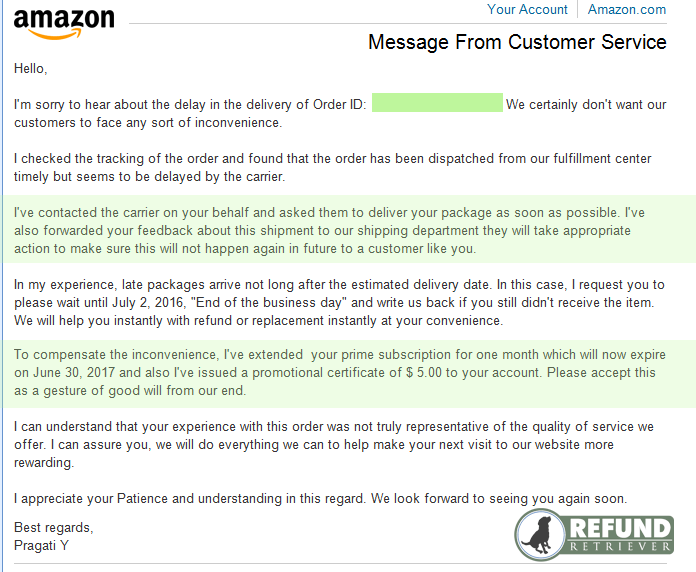
The settlement allows for refunds of up to $51, but many customers may receive less due to a pro rata distribution. If the remaining funds are insufficient to cover all claims, Amazon will distribute the money based on the total amount each customer was eligible to receive and the number of Prime benefits they used.
This means that while some customers might get the full $51, others could receive significantly less than what they paid for their Prime membership. The FTC has emphasized that this is typical for large settlements of this nature.
How to File a Claim
A website dedicated to the claims process will be made public soon. Once available, links to the site will be posted on Amazon.com and the Amazon Prime page, as well as in the company’s app. Customers will be notified via email and mail once the automatic payments have been processed.
Eligible customers will have 180 days from the date they receive the claims form to submit it through electronic mail, pre-paid mail, or the settlement website. The process is designed to be straightforward, but customers should act promptly to ensure they receive their share of the refund.
Amazon’s Response

In response to the settlement, Amazon stated that the company and its executives have always followed the law. The company emphasized its commitment to making it easy for customers to sign up or cancel their Prime memberships and to provide value to its millions of loyal users.
Amazon added that it looks forward to continuing to deliver improvements for Prime members in the coming years. Despite the settlement, the company maintains that its practices are in line with legal standards and that it strives to offer clear and simple options for customers.
Broader Implications for Tech Companies
This case underscores the increasing scrutiny of major tech companies and their business practices. As digital services become more integrated into daily life, consumers are demanding greater transparency and control over their subscriptions and data.
The FTC’s action against Amazon sets a precedent for future cases involving deceptive practices by other tech giants. It also signals a shift toward stronger regulatory oversight in the digital marketplace.
Consumer Protection and the Future of Subscription Models
The Amazon Prime settlement highlights the importance of consumer protection in the era of digital subscriptions. As more services move online, the risk of hidden fees and misleading terms increases. This case serves as a reminder that consumers must remain vigilant and informed about the services they use.
For now, the focus is on ensuring that affected customers receive their refunds. However, the broader implications of this case could lead to changes in how companies structure their subscription models and interact with consumers.
As the settlement moves forward, it will be interesting to see how other companies respond to similar challenges and whether new regulations emerge to protect consumers in the digital age.


