Market Reactions to Geopolitical Tensions
The US financial markets experienced a dramatic shift following a series of geopolitical events in the Middle East. Traders and investors reacted swiftly to the situation, with stock indices showing notable gains while oil prices plummeted. This movement was driven by a combination of factors, including concerns over potential retaliatory actions from Iran and the broader implications for global trade and energy markets.
Oil Prices Drop Amid Missile Attacks
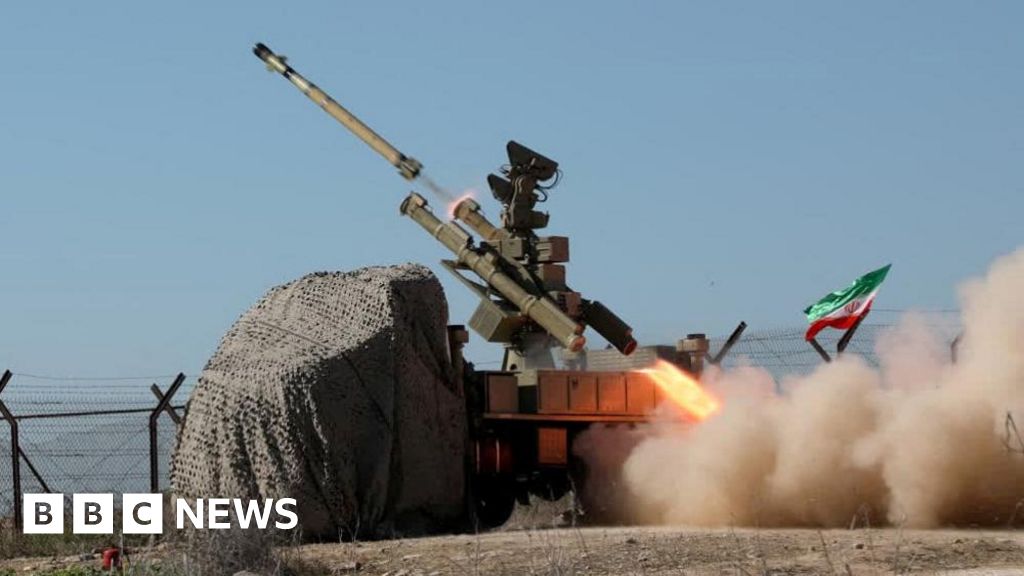
On June 26, 2025, oil prices saw a significant decline after Iran launched missiles toward US bases in Qatar and Iraq. The attacks were largely intercepted, leading to a sense of relief among market participants. The price of US crude fell by 7.2% to $68.51 per barrel, marking one of the largest single-day drops in recent months. This drop was particularly significant as it brought oil prices below $70 for the first time since June 12, a day before Israel began its strikes on Iranian nuclear facilities.
Stock Market Rally
In contrast to the falling oil prices, the US stock market showed robust growth. The Dow Jones Industrial Average rose by 374 points, or 0.89%, while the S&P 500 gained 0.96% and the Nasdaq Composite increased by 0.94%. This rally was fueled by the perception that Iran’s response to the US strikes was limited and contained. Investors were relieved that the conflict did not escalate into a broader regional war, which could have had severe economic consequences.
Geopolitical Implications

The situation in the Middle East has significant implications for both the US and global economies. Analysts noted that the US government was anticipating an Iranian retaliation following the strikes on Iranian nuclear facilities. However, the response appeared to be limited, with Iranian officials providing advance notice to Qatar before launching the missiles. This coordination aimed to minimize casualties and maintain an off-ramp for further escalation.
Economic Uncertainty and Market Volatility
Despite the current market stability, there remains a level of uncertainty regarding the future trajectory of the economy. The ongoing conflict in the Middle East, combined with other factors such as rising tariffs and mixed economic signals, creates a challenging environment for investors. The Federal Reserve faces the dilemma of managing inflation while also navigating the potential for a global recession if the situation escalates.
Impact on Global Trade
The potential for a disruption in oil supplies through the Strait of Hormuz remains a critical concern. This strategic waterway is vital for global energy markets, as it serves as a key shipping lane for about a fifth of the world’s oil. Any significant disruption could lead to a surge in oil prices, which would have far-reaching effects on the global economy.
Investor Sentiment and Market Outlook
Investor sentiment has been influenced by a variety of factors, including the recent geopolitical developments and the performance of key economic indicators. The Fear and Greed Index, which measures market sentiment, moved into the “Greed” category, indicating a positive outlook among investors. However, this optimism is tempered by the recognition that the situation in the Middle East remains volatile and unpredictable.
Currency Market Dynamics
The US dollar also experienced fluctuations in response to the geopolitical tensions. While the dollar typically rallies during times of global unrest, the recent events have shown a more complex pattern. The dollar fell by 0.3% on Monday afternoon, despite earlier gains. This volatility highlights the challenges faced by currency traders in navigating the current economic landscape.
Conclusion
The interplay between geopolitical events and market dynamics continues to shape the US financial landscape. As investors navigate the uncertainties of the current environment, the focus remains on the potential for further escalation in the Middle East and its implications for global trade and energy markets. The coming days will be crucial in determining the direction of the markets and the broader economic outlook.