The Struggle of Veterans’ Families for Death Benefits
The issue of death benefits for families of veterans who die by suicide has become a focal point of national concern, with congressional leaders condemning the U.S. Department of Veterans Affairs (VA) for its failure to adequately support these families. A recent investigation by CNN revealed that hundreds of applications from widows and other relatives have been rejected, sparking outrage among lawmakers and veterans’ advocates.
Congressional Leaders Condemn VA Practices
Senator Richard Blumenthal, the leading Democrat on the Senate Veterans’ Affairs Committee, called the denial of benefits to families of veterans who died by suicide “absolutely unconscionable.” He emphasized that such actions are not only morally wrong but also deeply harmful to those grieving the loss of a loved one. Blumenthal vowed to fight against any policies that prevent families from receiving the support they deserve.
This sentiment was echoed by Mike Bost, a Republican congressman and chairman of the House VA Committee. Bost stated that veterans’ survivors should not have to navigate a complicated system to access the benefits their loved ones earned through service. Both parties agree that the current process is flawed and needs urgent reform.
The Impact on Families
Families of veterans who die by suicide face an emotionally and financially draining battle to obtain death benefits. The VA requires medical documentation proving that the veteran’s mental health issues were linked to their military service. However, many veterans do not seek help for their mental health problems, making it difficult for families to provide the necessary evidence.
According to CNN’s analysis of thousands of VA case files, nearly 500 families had their applications rejected. Many were denied because they lacked VA documentation connecting their loved one’s mental health issues to their service. Some families fought for years before a judge ruled in their favor, highlighting the systemic challenges within the VA.
Specific Cases Highlight Systemic Failures
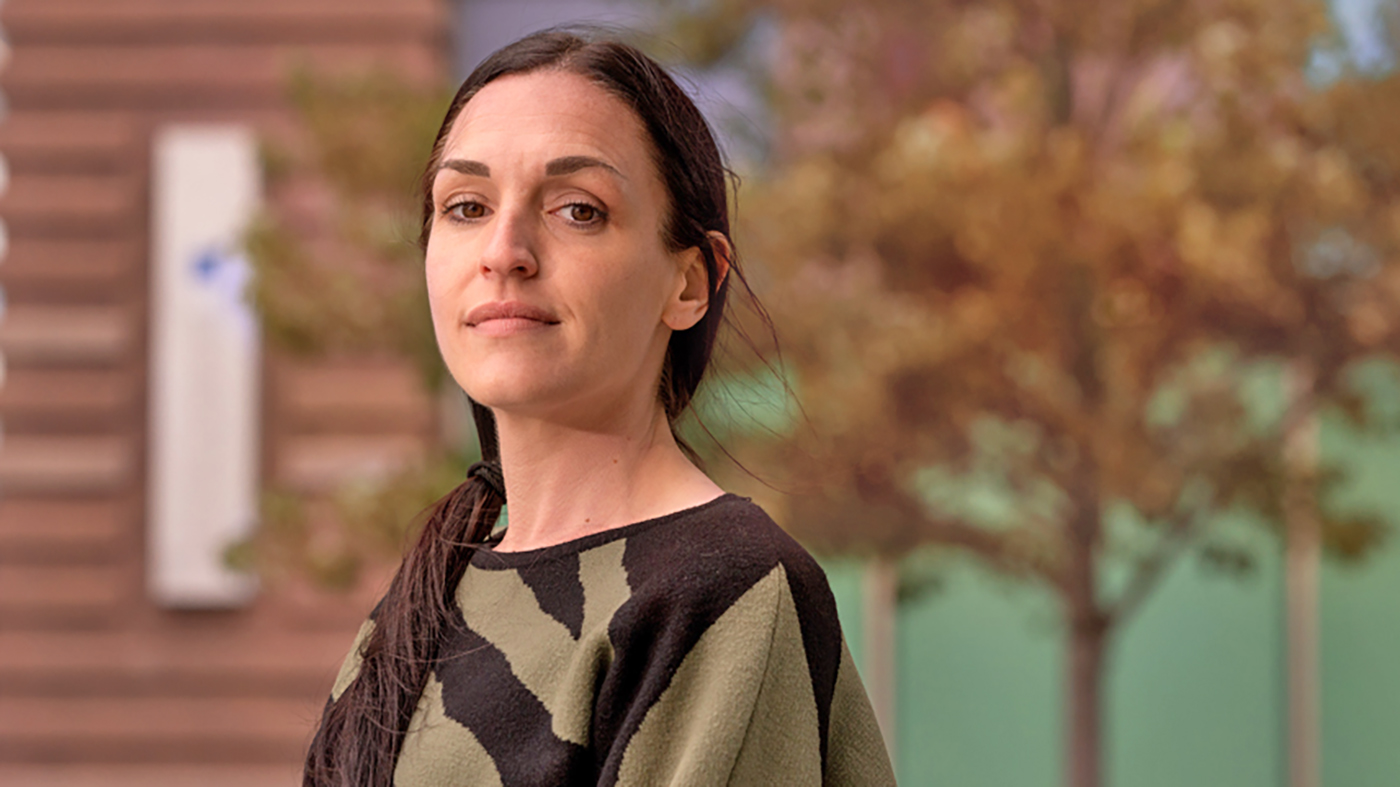
Several cases illustrate the struggles faced by these families. Emily Evans, whose husband Michael was diagnosed with combat-related PTSD and traumatic brain injury, was denied benefits despite having the necessary medical documentation. The VA is currently re-evaluating her claim, but the process has been emotionally taxing for her and her four children.
Evans shared her story with CNN, expressing hope that increased awareness would lead to meaningful change. She described the experience as “insulting, exhausting, and traumatic,” emphasizing the need for a more compassionate and efficient system.
Other surviving spouses interviewed by CNN reported similar experiences, describing the application process as confusing and overwhelming. The emotional toll of navigating this system is compounded by the grief of losing a loved one.
The Role of Mental Health in Denial

The VA’s strict requirements for proof of service-connected mental health issues have led to the denial of benefits for many families. Even when veterans were diagnosed with PTSD or other mental health conditions, some applications were still rejected. This includes 45 families of veterans with duty-related PTSD, including 10 who had previously attempted suicide, and over 60 other families who were seeking a PTSD diagnosis or had been diagnosed with other mental health disorders or traumatic brain injuries.
Blumenthal criticized the VA for denying PTSD-related claims, calling it “abhorrent” and urging the agency to immediately review the denied claims. He emphasized the need for a more flexible and understanding approach to these cases.
Concerns Over VA Budget Cuts
The situation has become even more concerning amid plans by the Trump administration to cut 80,000 jobs at the VA. Sens. Blumenthal and Gallego expressed serious concerns that these cuts could worsen the already challenging process for families seeking benefits.
A VA spokesman acknowledged that the system has failed in certain areas but claimed that changes under President Donald Trump’s leadership would improve the situation. The statement also blamed the previous administration for not addressing key issues, including rising healthcare wait times and benefits backlogs.
Calls for Reform and Modernization
Despite the challenges, there are calls for reform and modernization of the VA benefits system. Bost, the House VA chairman, expressed optimism about the future, stating that efforts are underway to modernize and streamline the survivors’ benefits process. He emphasized the importance of working with the Trump administration to improve the overall VA benefits system for veterans and their families.
The VA press secretary, Peter Kasperowicz, reiterated the agency’s commitment to reform, stating that the message to veterans is clear: the department will be reformed to better serve veterans, families, caregivers, and survivors.
Conclusion
The struggle of families of veterans who die by suicide highlights the urgent need for reform within the VA. As lawmakers and advocates push for change, the focus remains on ensuring that these families receive the support they deserve. The emotional and financial burden placed on them is a testament to the flaws in the current system, and it is time for meaningful action to address these issues.
The path forward involves not only revising the criteria for death benefits but also creating a more compassionate and efficient process that recognizes the sacrifices made by veterans and their families. With continued pressure from Congress and the public, there is hope that the VA will take the necessary steps to support those who have given so much.