The Controversy Surrounding Jimmy Kimmel and the FCC
The recent suspension of late-night host Jimmy Kimmel by ABC has sparked a heated debate over free speech, media regulation, and the role of federal agencies in influencing content. At the center of this controversy is Vice President JD Vance, who recently attempted to downplay the involvement of the Federal Communications Commission (FCC) in the matter. His claims, however, have been met with skepticism and fact-checking from journalists and analysts.
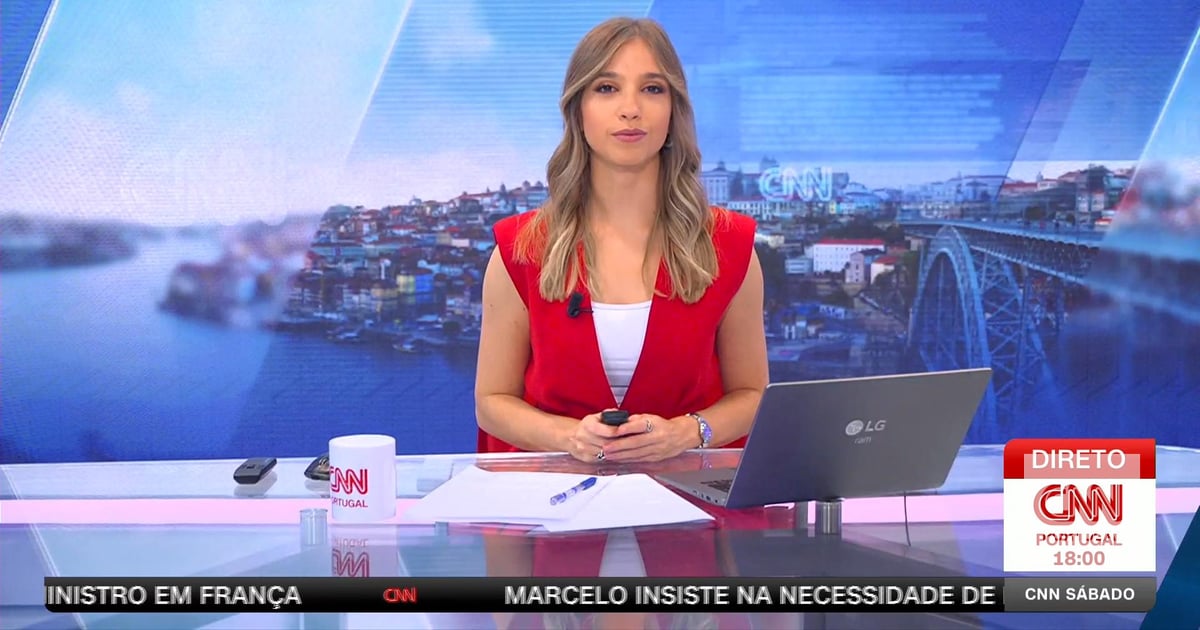
Vance’s comments came during an interview with CNN’s Kit Maher, where he was asked about his views on free speech in relation to the FCC’s actions regarding Kimmel. He claimed that the FCC chair, Brendan Carr, had merely made a “joke on social media” about the situation, suggesting that there was no real government pressure involved. This narrative, however, contradicts the facts of what actually transpired.
What Vance Said and What Was Actually True
During the interview, Vance acknowledged that Kimmel’s show had returned to air after being suspended, but he dismissed the reasons for the suspension as being related to Kimmel’s comedic style and ratings. He then shifted the focus to the FCC, stating that the Trump administration had taken no action to remove Kimmel or anyone else from the air. According to Vance, there was “zero” government pressure exerted against Kimmel.
However, this account omits key details about the FCC’s involvement. While it is true that Carr made some lighthearted remarks on social media, including animated images, these were not the main point of his engagement with the issue. In fact, Carr used his platform to express serious concerns about Kimmel’s comments regarding the murder of conservative activist Charlie Kirk. He warned ABC and its parent company Disney that they could face consequences if they did not take action against Kimmel.
The Serious Concerns Raised by the FCC Chair

Brendan Carr, appointed by former President Donald Trump, took a firm stance during an interview with conservative podcast host Benny Johnson. He described Kimmel’s remarks as “some of the sickest conduct possible,” suggesting that there was an intentional effort to mislead the American public. Carr also warned that the FCC could take action against ABC and its affiliates if they continued to broadcast content that he deemed misleading.
Carr emphasized that the FCC had the power to revoke licenses of local stations that aired Kimmel’s show, which raised significant alarm within ABC. Sources close to the network indicated that Carr’s statements were seen as a “real, serious threat.” This led to immediate actions by major media companies, including Nexstar and Sinclair, which decided to preempt Kimmel’s show indefinitely.
The Impact on ABC and Media Companies
The fallout from Carr’s statements was swift. Nexstar announced that it would stop airing Kimmel’s show, calling his comments “offensive and insensitive.” Shortly after, ABC followed suit, announcing that it would indefinitely suspend the show. Sinclair also joined in, stating that it would not air Kimmel’s program due to his “inappropriate and deeply insensitive” remarks.
Carr later thanked Nexstar for its decision on social media, suggesting that other broadcasters should follow their lead. However, both Nexstar and Sinclair have since denied that Carr’s comments influenced their decisions, claiming that their actions were based on their own judgment.
The Role of the FCC and Free Speech
The controversy highlights the complex relationship between federal regulators and the media. While the FCC is an independent agency, its influence over broadcast content cannot be ignored. Carr’s remarks, though delivered in a more lighthearted manner on social media, carried significant weight in the context of regulatory authority. His warnings about potential license revocations underscored the power that the FCC holds over local stations and networks.
At the same time, the incident raises questions about the limits of free speech in the media landscape. While Kimmel’s comments were controversial, the question remains whether the FCC’s involvement was justified. Some argue that the FCC should not interfere with content that is purely editorial or opinion-based, while others believe that misleading information can have real consequences.
The Broader Implications
This situation has broader implications for the future of media regulation and political discourse. It underscores the delicate balance between protecting free speech and ensuring that the public is not misled by false or harmful information. As media companies navigate these challenges, the role of regulatory bodies like the FCC will continue to be a topic of intense debate.
The case of Jimmy Kimmel and the FCC serves as a reminder of how interconnected the media, politics, and regulation can be. It also highlights the importance of transparency and accountability in both the media and the government. As the conversation around free speech and media responsibility continues, the lessons learned from this incident will likely shape future policies and practices.
Conclusion
The controversy surrounding Jimmy Kimmel and the FCC illustrates the complex dynamics between media, politics, and regulation. While Vice President JD Vance attempted to minimize the FCC’s role in the matter, the facts reveal a more nuanced picture. The FCC chair’s serious concerns about Kimmel’s comments led to significant actions by media companies, raising important questions about the limits of free speech and the responsibilities of regulators. As the debate continues, the implications of this incident will undoubtedly influence future discussions on media policy and public discourse.