Legal Action Against Terrorist Entities and State Sponsors
A significant legal development has unfolded in the United States, as victims of the October 7 attacks in Israel have taken a bold step by filing a new lawsuit against Hamas, Syria, Iran, and North Korea. This move marks a critical moment in the ongoing pursuit of justice for those affected by the tragic events that occurred nearly two years ago.
The lawsuit was initiated by the Anti-Defamation League (ADL) in collaboration with the law firm Crowell & Moring. It is being filed in the US District Court in Washington, DC, just weeks before the two-year anniversary of the attack. The suit represents over 140 plaintiffs, including American victims and their families, who are seeking at least $7 billion in damages from the armed groups and foreign countries accused of supporting Hamas during the attacks.
This legal action is not only symbolic but also serves as a powerful statement about the need for accountability and justice. The plaintiffs argue that the state sponsors of terrorism provided Hamas with the necessary support and resources to carry out the attacks. However, the challenge remains in serving legal documents to these foreign entities, especially given the current geopolitical landscape and the diminished status of Hamas following the war in Gaza.
The ADL’s CEO, Jonathan A. Greenblatt, emphasized the importance of this lawsuit in holding those responsible for the violence accountable. He stated, “The victims of the October 7 massacre deserve justice, accountability, and redress.” This sentiment resonates with many who believe that the legal system should reflect the gravity of such atrocities.
Background on the October 7 Attacks
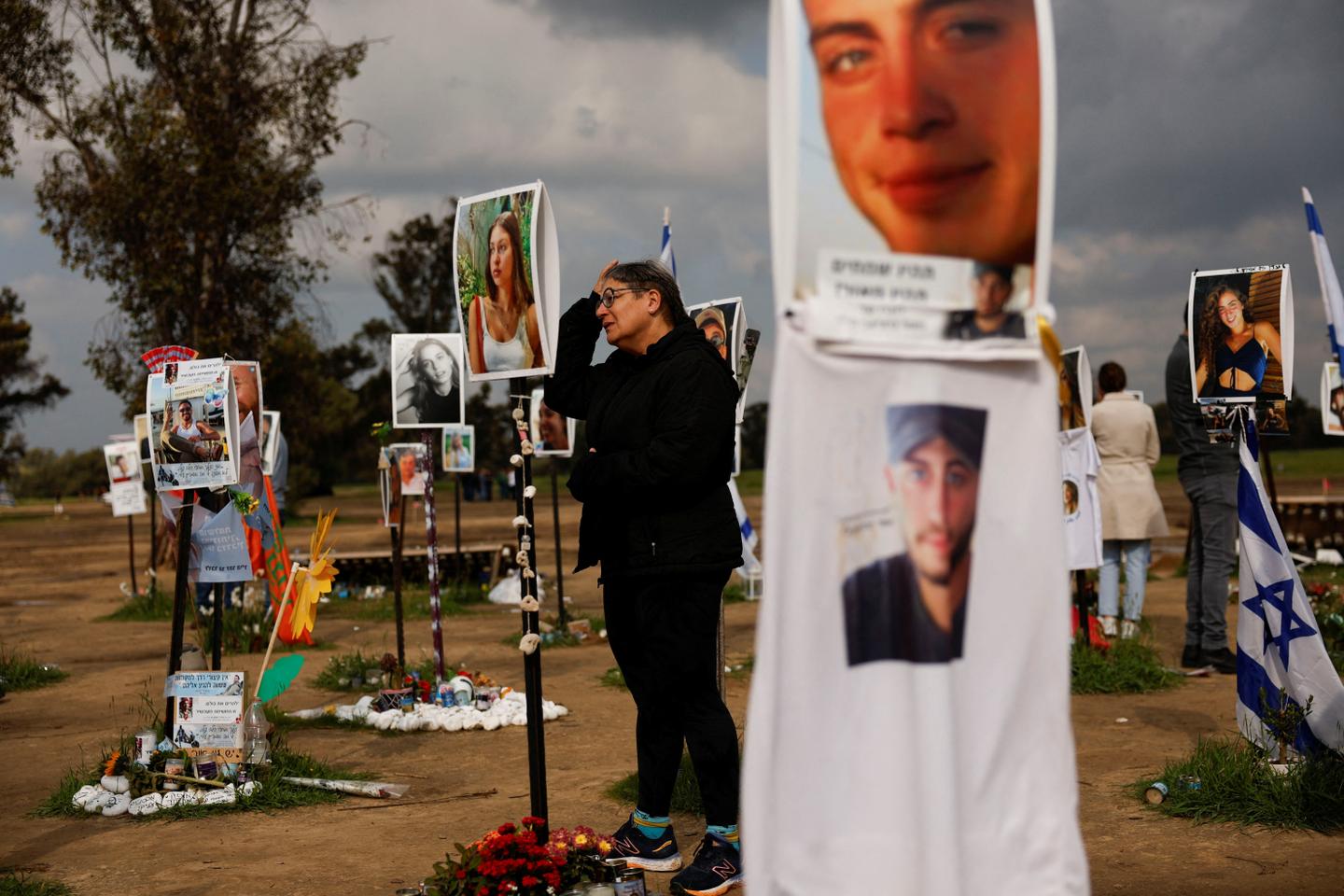
On October 7, 2023, Hamas and several other militant groups launched a devastating attack on southern Israel. The assault included a raid on the Nova Music Festival and nearby communities, resulting in the deaths of more than 1,200 people and the taking of 251 hostages. As of now, 148 hostages have been returned to Israel, but 47 remain captive inside Gaza. Among them, 25 have been declared dead, while 20 are believed to be alive, leaving the status of the others uncertain.
The aftermath of the attack has led to a protracted conflict in Gaza, with Israeli forces killing nearly 65,000 Palestinians and injuring over 164,000, according to the Palestinian Ministry of Health. Recently, an independent UN inquiry concluded that Israel has committed genocide against Palestinians in Gaza, a claim that the Israeli government has vehemently denied.
Legal Implications and Challenges

The lawsuit against Iran, Syria, and North Korea is not without its challenges. These countries have been designated by the US State Department as “state sponsors of terrorism,” which allows for exceptions under the Foreign Sovereign Immunities Act. This law permits lawsuits against state sponsors of terrorism for acts such as personal injury or death caused by torture, extrajudicial killing, aircraft sabotage, hostage taking, or material support for these activities.
However, the practicalities of serving legal documents to these foreign entities remain complex. In a previous case, the ADL was able to serve papers to Iran with diplomatic assistance from Switzerland, but the same has not been successful with Syria and North Korea. None of these countries have responded in court, highlighting the difficulties faced by the plaintiffs in seeking justice.
Voices of the Victims
Among the plaintiffs in this case are David and Hazel Brief, whose son Yona, an Israeli soldier, died from injuries sustained during the attack. They expressed their belief that those responsible for the violence must be held accountable in a court of law. “We believe it is critical that those responsible for the horrific terror inflicted that day are held accountable in a court of law, to ensure the record is clear as to who helped support, plan and carry out the violence that day,” they stated.
Their hope is that this litigation will help prevent future attacks, ensuring that no other families have to endure the loss of a loved one due to such violence. This sentiment reflects the broader desire among victims and their families for a resolution that brings closure and prevents further tragedies.
International Context and Implications
The involvement of international actors in the October 7 attacks underscores the complex nature of modern conflicts. The designation of Iran, Syria, and North Korea as state sponsors of terrorism highlights the global implications of such actions. These countries have been implicated in providing support to Hamas, which has been a focal point of international concern.
As the legal proceedings unfold, the implications for international relations and the pursuit of justice will likely become more pronounced. The case may set a precedent for how the US addresses similar situations in the future, particularly in cases involving state-sponsored terrorism.
Conclusion
The lawsuit filed by the victims of the October 7 attacks represents a significant step toward accountability and justice. While the path to achieving this goal is fraught with challenges, the determination of the plaintiffs and the support from organizations like the ADL highlight the importance of seeking redress for the victims of such heinous acts. As the legal process continues, the hope remains that this case will contribute to a broader understanding of the responsibilities of state sponsors of terrorism and the need for justice in the face of such violence.