The Hidden Power of Inner Thighs: Why Your Adductors Matter
When it comes to strength training, most people focus on the more obvious muscle groups like the quads, hamstrings, and calves. However, one often-overlooked area that plays a crucial role in overall movement and stability is the inner thighs. These muscles, known as the adductors, are essential for maintaining pelvic stability, hip mobility, and balance. Neglecting them can lead to instability, pain, and even injury.
The adductors consist of five muscles: the adductor longus, adductor brevis, adductor magnus, gracilis, and pectineus. These muscles run from the pelvis down to various points along the inner thigh and knee. While their primary function is adduction — pulling the legs toward the midline of the body — their role extends far beyond that. They help stabilize the pelvis during activities like walking, running, or shifting weight from side to side. They also assist in controlling hip rotation and provide dynamic support during movements such as squatting, lunging, and climbing stairs.
How Weak Adductors Can Affect Your Body

Weak or tight adductors can cause a range of issues that go beyond just the inner thighs. Poor pelvic control due to weak adductors can lead to lower back pain, hip discomfort, or even knee problems. Athletes often experience groin strains when their adductors can’t handle the demands of sports involving sudden direction changes. However, even non-athletes can suffer from adductor-related issues. People who sit for long periods, such as desk workers, may develop tight, weak adductors that contribute to hip stiffness, postural problems, and back strains.
The adductors don’t work in isolation; they are part of an integrated system that includes the core and pelvic floor. When the adductors aren’t adequately supporting the pelvis, this entire system becomes compromised, leading to compensations that can create lower back tension and reduced movement efficiency.
The Connection Between Breathing and Adductor Function
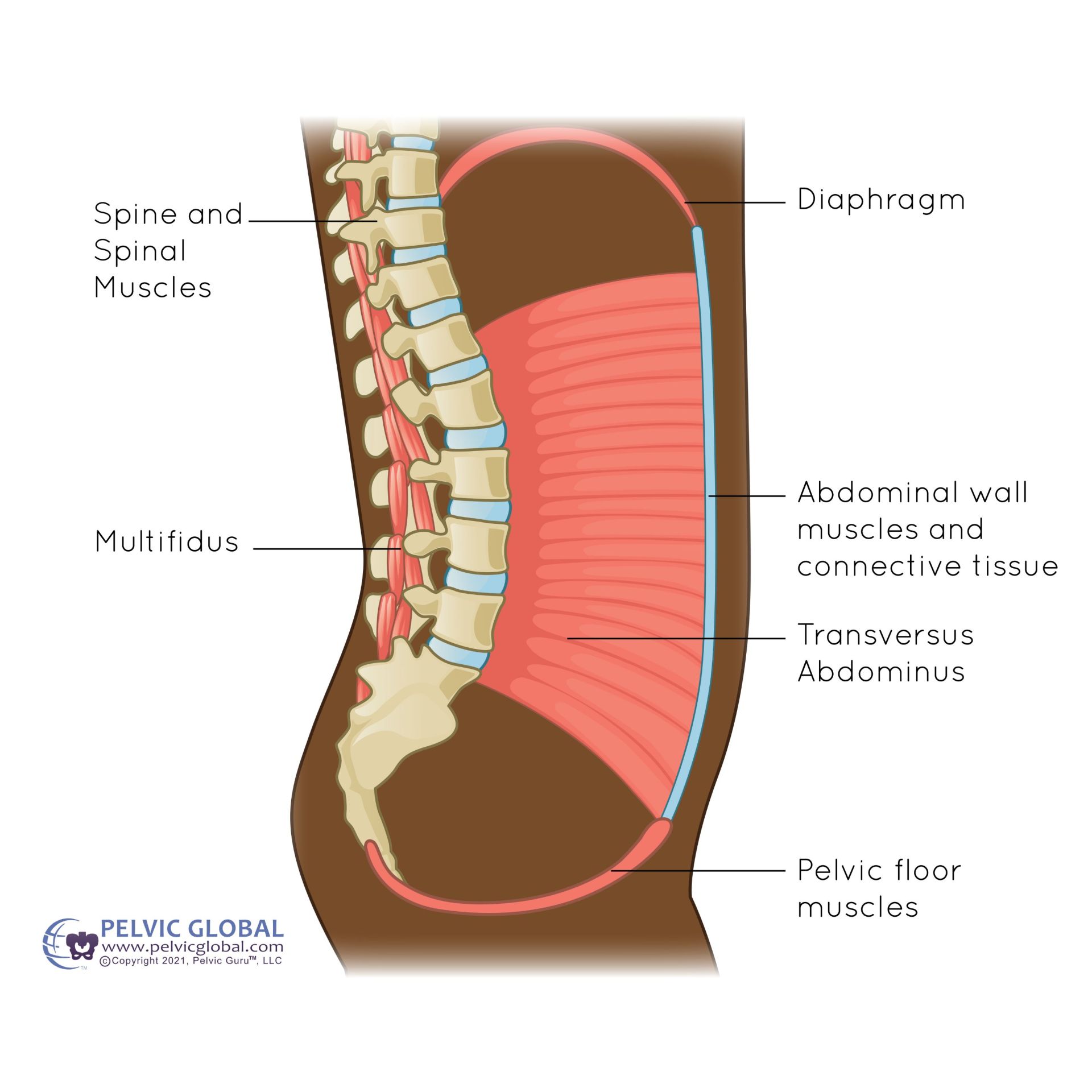
Breathing plays a significant role in adductor function. Research has shown that the diaphragm, deep core muscles, and pelvic floor work together during breathing and postural tasks. During proper diaphragmatic breathing, as the diaphragm rises and the pelvic floor contracts, the adductors can be trained to co-contract to help maintain pelvic stability.
This means that your breathing patterns can support adductor function. By coordinating intentional, deep exhalation with adductor activation, you’re teaching these stabilizing muscles to work together more effectively. For example, in a simple bridge exercise, placing a yoga block between your knees and squeezing as you exhale engages your adductors, along with your core and pelvic floor.
Simple Exercises to Strengthen Your Adductors
Before starting any exercise program, it’s important to consult with a doctor or physical therapist. If you experience pain, stop immediately.
- Bridge with Squeeze
- Lie on your back with knees bent and feet flat on the floor.
- Place a yoga block or pillow between your knees.
- As you exhale, gently squeeze the block or pillow while lifting your hips into a bridge position.
- Keep your shoulders relaxed and engage your core to avoid arching your back.
-
Hold for three to five seconds, then return to the starting position with control.
-
Side-Lying Leg Lift
- Lie on your side with your bottom leg straight and top leg bent, foot flat on the floor in front of your bottom thigh.
- Rest your head on your bottom arm and place your top hand on the floor in front of your chest for support.
- Exhale as you lift your bottom leg toward the ceiling, focusing on using your inner-thigh muscles.
-
Return to the starting position with control.
-
Lateral Lunge
- From standing, take a wide step out to one side.
- Bend the knee of that leg to 90 degrees while sitting back and feeling your weight primarily in the hip of your stepping leg side.
- Keep the other leg straight with your chest up.
- Exhale as you push off the stepping leg to return to standing.
These exercises progress from basic activation to more dynamic movement, helping to build the kind of strength that translates to better function and reduced pain.
The Importance of Core Engagement
Engaging your core is not the same as sucking in your belly. Proper core engagement helps maintain stability and supports the adductors during movements. This connection is crucial for reinforcing stability and teaching your nervous system that the position is safe.
Final Thoughts
Your adductors are more than just “spot-tone” muscles. Like your obliques, they highlight a simple truth: Overlooked muscles often hold the key to pain-free, confident movement. Training them isn’t about aesthetics — it’s about building the kind of stable foundation for movement that makes walking, climbing stairs, or changing direction in sport feel natural and safe.
By giving your inner-thigh muscles the attention they deserve, you’re investing in better pelvic stability, improved balance, and reduced risk of lower back and hip problems. In the next article in this series, we’ll move upward to the shoulder blades, another commonly neglected area with big implications for posture, mobility, and pain relief.