The Escalating Crisis of Sexual Violence Against Children in the Democratic Republic of Congo
The Democratic Republic of Congo (DRC) has long been a battleground for conflict, but recent surges in violence have brought renewed attention to the alarming rise in sexual violence against children. This crisis is not just a regional issue—it has become a global concern that demands urgent action and international solidarity.
A Disturbing Trend: Rape as a Weapon of War
In the eastern regions of the DRC, where the mineral-rich territories have become a focal point for armed groups, the scale of sexual violence has reached unprecedented levels. The Alliance Fleuve Congo (AFC), which includes the M23 rebel group, has intensified its attacks, leading to widespread displacement and chaos. As a result, children—particularly girls—are becoming the most vulnerable victims of this ongoing violence.
Testimonies from survivors reveal a harrowing reality. Sixteen-year-old Darkuna, who provided her account through UNICEF, described how she was raped by six armed men while her family helplessly watched. These stories are not isolated incidents but part of a disturbing trend where rape is used as a tool of terror and control.
The Impact on Young Survivors

The psychological and physical toll on these young survivors is immense. Many are too afraid or ashamed to speak out, and even when they do, access to medical care and psychological support is often limited. For example, 14-year-old Mudaralla, an orphan, was raped by two men while her grandmother could only watch in horror. The trauma of such an experience leaves lasting scars, both mentally and physically.
Survivors like Mudaralla face additional challenges, including the fear of pregnancy or infection. Their futures remain uncertain, with little hope for justice or healing. Aid organizations like Save the Children and UNICEF are working tirelessly to provide support, but the resources available are insufficient to meet the growing demand.
The Role of Displacement and Chaos
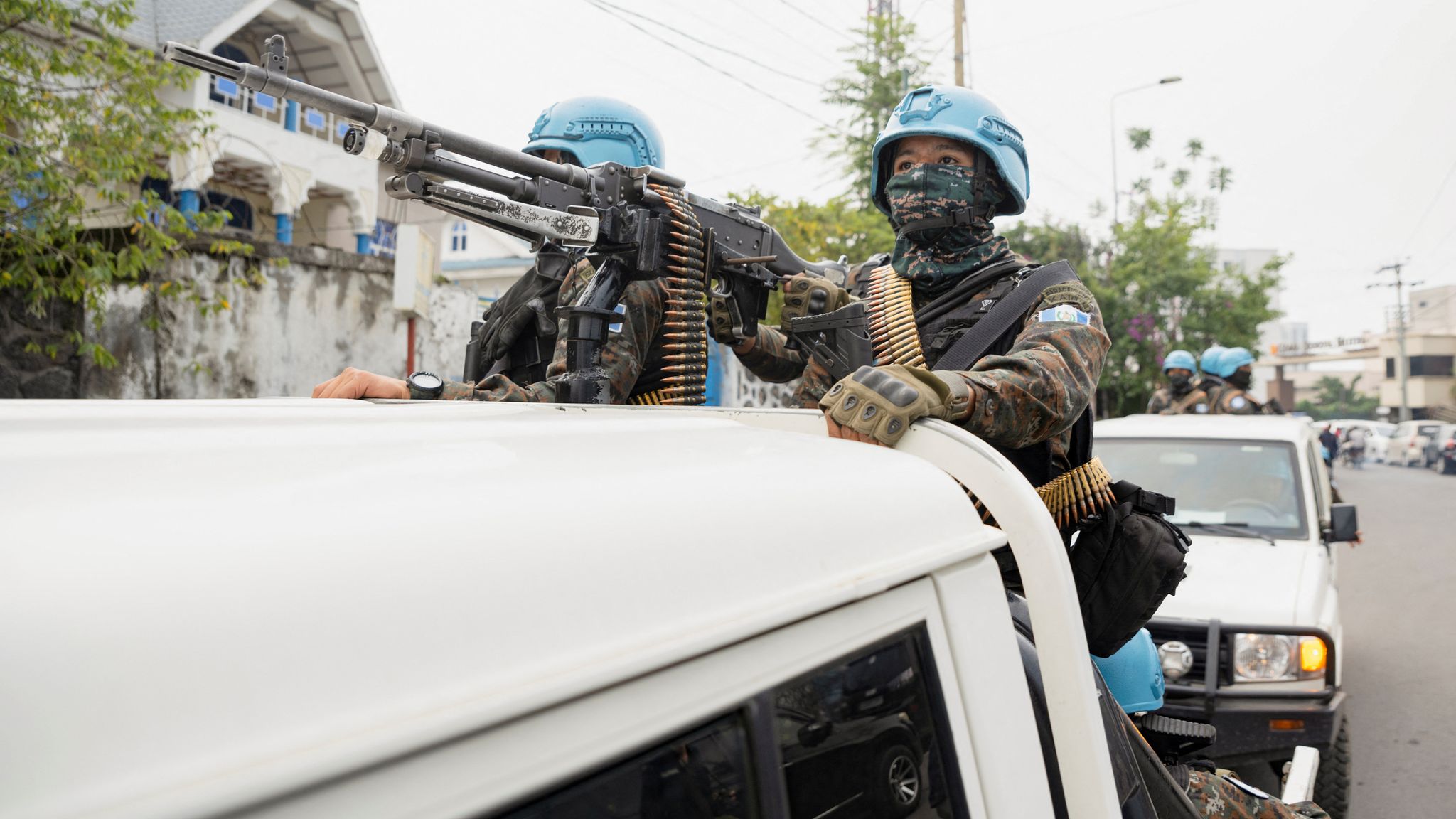
The conflict has led to massive displacement, with over 400,000 people forced to flee their homes. In the chaos, families are often separated, leaving children even more vulnerable. Aid workers report that fetching water from wells is one of the most dangerous activities for children in the region.
One mother’s testimony highlights the dangers: “My two daughters, one aged 15 and the other aged 13, became victims of rape this morning.” She describes how the girls were attacked while trying to draw water, and she was too injured to intervene. The emotional and physical pain of such experiences is compounded by the lack of immediate medical care and support.
The Absence of Justice
Despite the staggering number of cases, few perpetrators face any form of accountability. The cycle of impunity continues to fuel further violence. According to the United Nations, most cases of sexual violence go unreported, and even fewer are investigated or prosecuted. This lack of justice perpetuates a culture of fear and vulnerability among the population.
Human rights groups warn that this pattern of abuse is not new. For decades, the DRC has experienced waves of sexual violence, particularly in its eastern regions. However, the current surge in fighting has exacerbated the situation, making it even more difficult for survivors to seek help and for authorities to respond effectively.
The Long-Term Consequences
The long-term consequences of this crisis are profound. Aid workers fear that a generation of children will be left physically and mentally scarred by these attacks. The trauma of sexual violence can lead to lifelong psychological issues, including depression, anxiety, and post-traumatic stress disorder (PTSD). Without adequate support, many children may struggle to recover and rebuild their lives.
UNICEF’s Ramatou Toure emphasized the urgency of the situation: “Every day, we witness the devastating impact of sexual violence on children—some too young to even understand what has happened to them. We are providing urgent essential care, but no one should remain indifferent.”
A Call for Global Action
The situation in the DRC is a stark reminder of the need for global awareness and action. International organizations, governments, and humanitarian agencies must work together to address the root causes of this violence and provide comprehensive support to survivors. This includes increasing funding for aid programs, strengthening legal frameworks to hold perpetrators accountable, and ensuring that children have access to education, healthcare, and psychological services.
As the conflict continues to escalate, the plight of children in the DRC serves as a powerful call to action. It is a reminder that every life matters, and that the fight against sexual violence must be a priority for the global community. Only through sustained effort and compassion can we hope to bring about meaningful change and protect the most vulnerable among us.